
The Marketer’s Guide to GEO vs. SEO: Which One Should You Prioritise?
November 20, 2025
Why This Choice Matters in 2025
“Users no longer search - they expect answers,” she explains. For South African executives navigating an increasingly digital and mobile-first economy, this means deciding when to focus on SEO (Search Engine Optimisation) and when to adopt GEO (Generative Engine Optimisation).
The distinction is strategic: SEO builds authority and discoverability, while GEO ensures your brand is included in the very answers users receive. So, which should you prioritise - and when?
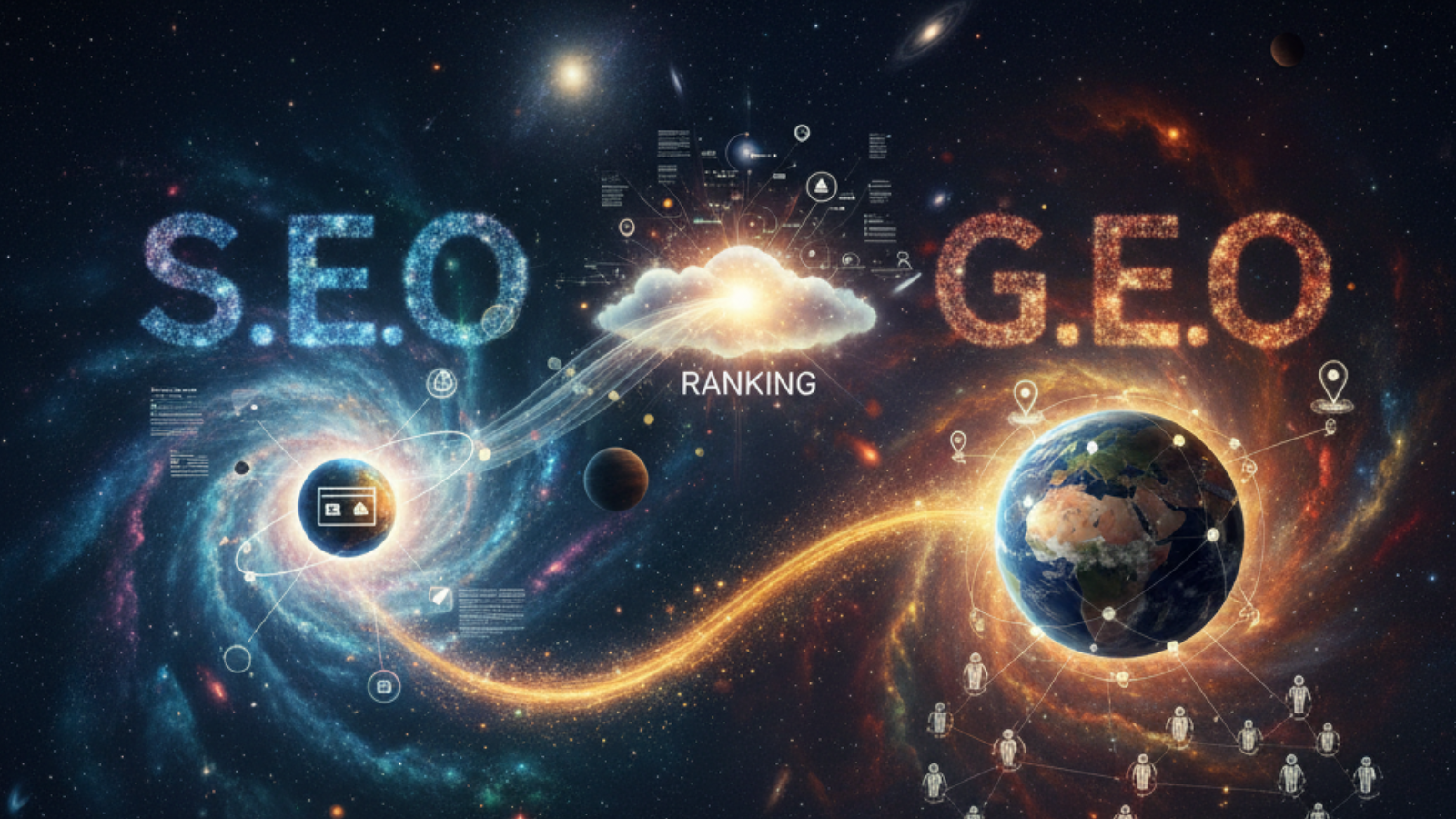
Defining GEO and SEO
What is SEO?
SEO helps brands:
- Build organic traffic and domain authority
- Target high-value keywords relevant to their audience
- Rank for educational, transactional, or informational intent
What is GEO?
GEO involves optimising for machine interpretation rather than just human reading. It prioritises:
- Structured data and schema markup
- Contextual authority and entity alignment
- Conversational and question-based content
- Topical freshness and regional accuracy
The Business Impact of Each Strategy
SEO excels when you need:
- Global or pan-African reach.
Ideal for consultancies, SaaS providers, or exporters who target broad digital markets.
- Thought leadership.
SEO-driven content builds visibility and credibility across regions and languages.
- Sustained brand equity.
SEO compounds over time, enhancing your online reputation.
- Data-led content ecosystems.
It enables tracking, reporting, and scalable inbound marketing.
GEO thrives when:
- Local intent drives revenue.
Businesses offering regional services, e.g., legal, medical, educational, or retail, benefit from being included in generative search results for area-specific queries.
- AI discoverability is key.
GEO positions your content to appear within AI-generated responses, not just traditional search listings.
- Timeliness matters.
GEO rewards up-to-date, data-backed insights, especially for industries influenced by rapid regulation or trend cycles.
- Trust and authority drive choice.
When users ask, “Who’s the best provider near me?” GEO ensures AI knows
you
are.
When to Prioritise GEO vs. SEO: A Decision Framework
Here’s a practical checklist for executives deciding where to focus:A. Audience Geography
- Localised audience: Focus on GEO (e.g., Cape Town, Sandton, or Pretoria-based clientele).
- Cross-border market:
Prioritise SEO for broader digital reach.
B. Business Model
- Physical presence or service footprint: GEO for visibility in “near me” and location-based results.
- Digital-first, export, or consulting models:
SEO for scalable, international discoverability.
C. Content Lifecycle
- Fast-changing information (regulatory, events, product updates): GEO
- Evergreen guides, case studies, or thought leadership:
SEO
D. Data and Capability
- AI-ready structured data, schema, or entity mapping: GEO advantage
- Established backlink network and content authority:
SEO strength
E. Competitive Landscape
- If competitors dominate traditional search, consider GEO to appear in AI summaries.
- If competitors are absent in AI results
, GEO is your first-mover opportunity.
Dual Optimisation: The Future of Search in 2025
The future of digital visibility lies in hybrid optimisation . According to futurist Maxim Blue , generative engines are reshaping search into “a dialogue, not a directory.”Key 2025 Search Trends to Consider
- Zero-click search dominance:
Fewer users click through; more rely on summarised AI answers.
- Conversational queries:
Voice and chat searches favour natural, question-led phrasing.
- Authority over popularity:
AI systems cite credible, structured sources over high-traffic pages.
- South African user behaviour:
Mobile-first, regional-language use (English, isiZulu, Afrikaans) increases localisation value.
- Freshness signals:
Generative engines prioritise recently updated data and regionally accurate facts.
- Structured and multimodal content:
Use
tables, FAQs, and visuals to improve extractability.
Executive Takeaway
For transformation-focused leaders, the challenge is not choosing between GEO and SEO but aligning both for your digital growth model .Action Points for Executives
- Adopt a hybrid model:
Maintain SEO for authority; integrate GEO for AI visibility.
- Audit your current content:
Is it machine-readable? Does it answer questions succinctly?
- Train your teams:
Build GEO competence - schema, entity tagging, and structured metadata.
- Track new performance metrics:
AI citations, generative inclusion, and answer share - not just keyword rankings.
- Localise where it matters:
Tailor content to regional context and language preferences.
- Reinvest in authority:
Consistent, high-quality thought leadership remains your greatest asset.